


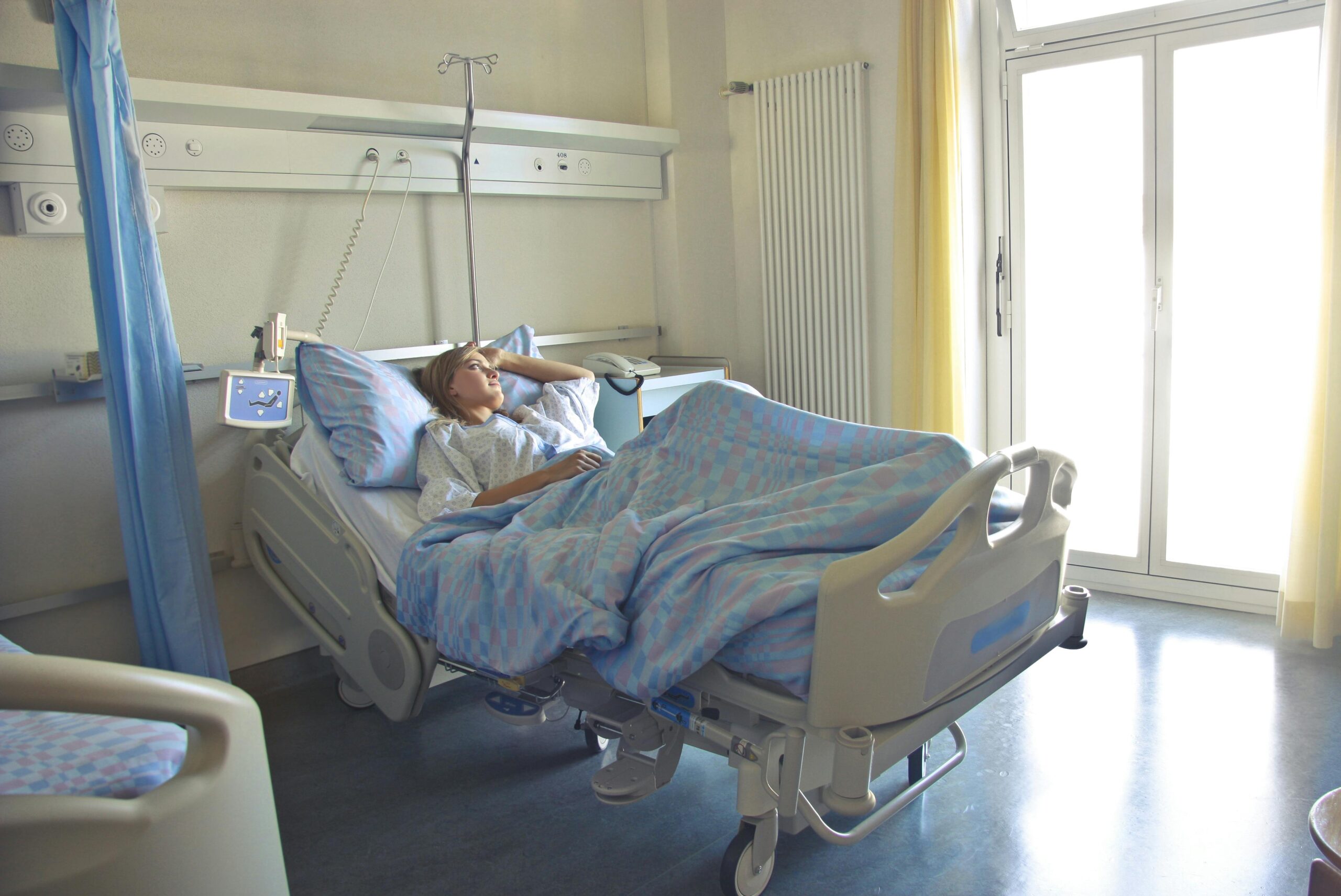
When we think about healing, we often focus on medication, therapy, or the skill of a doctor. However, the environment where a person spends most of their time—the bed—is arguably the most critical factor in preventing unnecessary setbacks. Falls and injuries during a recovery period can be devastating, turning a straightforward healing process into a long-term struggle.
Selecting the right equipment is the first line of defense in creating a secure recovery zone. By focusing on stability and ease of use, a well-chosen medical setup helps maintain dignity while keeping safety at the forefront of every interaction. It is about more than just a place to sleep; it is a dedicated tool designed to minimize the risks associated with restricted mobility and ensure a smoother path to wellness.
Evaluating the Impact of Bed Height
One of the most common causes of injury occurs when a patient attempts to stand up or sit down. If a bed is too high, a person may slide off the edge, but if it is too low, they might lack the leg strength to stand safely. Modern adjustable patient care beds solve this by allowing the entire frame to move up or down to match the user’s height perfectly.
This feature, often called a “high-low” function, ensures that the patient’s feet are firmly planted on the floor before they attempt to move. It also protects caregivers from back strain, as they can raise the bed to a comfortable working height during treatments. Finding that “sweet spot” in height significantly reduces the likelihood of a dangerous stumble during midnight bathroom trips.
Utilizing Rails for Support Rather Than Restraint
Side rails have evolved significantly from the rigid, cage-like bars seen in old movies. Today, they are designed as ergonomic handles that assist with repositioning and offer a sense of security without feeling trapped. These rails provide a sturdy grip for patients who need to roll over or sit up, which keeps them centered and less likely to roll out of bed.
It is important to understand that rails should act as a “helping hand” rather than a barrier. When used correctly, they prevent accidental falls during sleep while still allowing the user to maintain their independence. Modern designs often include gaps or half-rail options to ensure the patient doesn’t feel confined while still benefiting from the added structural support.
Mastering the Mechanics of Articulation
The term “articulation” simply refers to the bed’s ability to bend and pivot at the head, knees, and feet. This movement is vital because lying flat for long periods is rarely the safest or most comfortable position for someone with limited mobility. By elevating the head, you can prevent respiratory issues and make it easier for a patient to see their surroundings, which reduces the confusion that leads to falls.
Adjusting the knee section, often called “fowler’s position,” keeps the patient from sliding down toward the foot of the bed. When a person stays properly positioned in the center of the mattress, they are much less likely to end up in a precarious spot near the edge. These small mechanical adjustments create a stable “pocket” of comfort that keeps the body aligned and secure throughout the day.
Prioritizing Stability Through Locking Systems
A bed that shifts or rolls unexpectedly is a major hazard, especially during a transfer from a bed to a wheelchair. Locking casters are the unsung heroes of patient safety, ensuring the frame remains completely stationary when weight is being shifted. A single slip of a wheel can lead to a hip injury or a hard fall, making the locking mechanism a top priority for any home setup.
Beyond just the wheels, the overall weight and “footprint” of the bed contribute to its stability. A heavy-duty frame won’t tip or wobble when a patient leans heavily on one side to get up. Checking that the locks are engaged every time the bed is stationary is a simple habit that prevents some of the most common accidents in a home care setting.
Reducing Skin Injuries With Proper Surfaces
Safety isn’t just about preventing a fall to the floor; it is also about protecting the skin from “friction burns” and pressure sores. When a patient slides across a standard mattress, the skin can tear or become irritated, leading to painful wounds that are difficult to heal. Specialized medical mattresses are designed to distribute weight evenly, which keeps the skin healthy and intact.
These surfaces often feature moisture-wicking materials and “low-shear” covers that allow the body to glide rather than rub against the fabric. By managing the microclimate of the bed—keeping it cool and dry—you reduce the risk of secondary injuries that are just as dangerous as a fall. A safe bed environment looks at the big picture, protecting the body from the inside out and the outside in.
Conclusion
Investing in the right equipment transforms a room into a true sanctuary for healing. While we can’t predict every challenge a recovery might bring, we can certainly control the tools we use to navigate them. By prioritizing adjustable heights, sturdy rails, and stable locking systems, you provide a foundation of safety that allows both the patient and the caregiver to breathe a little easier. After all, the best recovery is one that happens without any preventable accidents along the way.
