


Stepping into the world of medical aesthetics often feels like learning a new language while trying to maintain a full-time conversation in your current career. For many doctors, nurses, and physician assistants, the desire to expand their skill set is driven by a need for more creative freedom or a better work-life balance. However, the initial hurdle is often the logistical puzzle of fitting a new education into an already packed schedule.
The beauty of modern professional development is that it no longer requires you to put your entire life on hold for months at a time. It is entirely possible to transition into this rewarding field without sacrificing your current clinical responsibilities or personal commitments. By approaching this transition with a clear strategy, you can bridge the gap between traditional medicine and the booming world of aesthetic procedures.
Assessing the Logistics of Your Schedule
Before you dive headfirst into a new curriculum, it is vital to take an honest look at your weekly calendar and identify where you have breathing room. Many professionals find that the most successful way to learn is through intensive, short-term programs that respect their time and existing expertise. Choosing a weekend-based format or a modular learning system allows you to keep your weekday income steady while you build your new craft.
Setting realistic expectations for yourself is the key to avoiding burnout during this transition phase. You don’t need to become an expert overnight; instead, focus on incremental progress that builds confidence without adding unnecessary stress. When you prioritize a sustainable pace, the learning process becomes an energizing break from your routine rather than another chore on your to-do list.
Finding Value in High-Impact Training
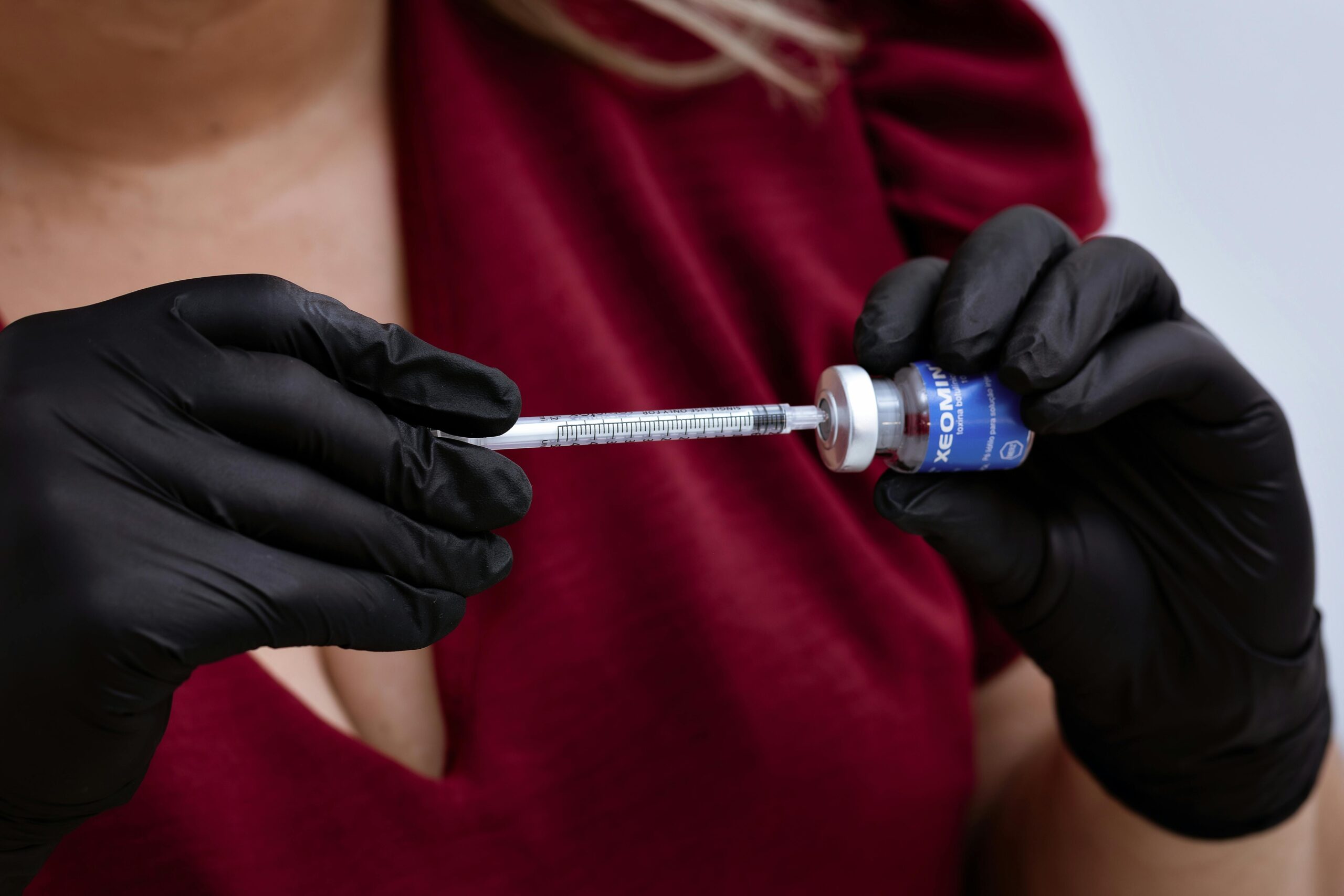
Not all educational experiences are created equal, especially when you are trying to maximize every hour spent away from your primary job. Busy professionals should look for programs that cut through the fluff and focus on the practical, hands-on skills that actually translate to patient results. A comprehensive botox training course is a perfect example of how targeted education can provide the specific tools needed to start practicing immediately.
Focusing on these high-impact sessions ensures that you aren’t wasting time on outdated theories or repetitive lectures that don’t add value. You want to walk away from your training feeling capable of handling a real patient in a real clinic setting. By selecting a program that emphasizes live-model practice, you gain the “muscle memory” required to perform injections safely and effectively from day one.
Integrating New Skills Into Current Practice
One of the smartest ways to balance learning with a career is to find ways to weave your new skills into your existing professional environment. You might start by offering consultations to your current patient base or discussing aesthetic options during routine visits. This gradual integration allows you to refine your technique and build a local reputation while still operating within the safety net of your established clinic.
This approach also helps alleviate the pressure of a sudden career shift, allowing you to grow your aesthetic business organically. As your comfort level increases, you can slowly shift more of your hours toward aesthetic work until you reach the balance that feels right for you. It turns a daunting career change into a series of small, manageable steps that lead to a completely new professional horizon.
Leveraging Online Resources for Theory
To make the most of your limited time, it helps to separate the “book work” from the physical practice of injecting. Many top-tier programs now offer the theoretical portions of their curriculum online, allowing you to study anatomy and safety protocols during your commute or on a quiet evening. This hybrid model ensures that when you actually show up for in-person training, your hands are ready to work.
By tackling the science of neurotoxins—the medications used to relax muscles—at your own pace, you arrive at the clinic with a solid foundation. You can spend your valuable in-person hours focusing on the “art” of the procedure, such as facial mapping and needle depth. This split-learning style respects your professional time and ensures that the clinical hours you pay for are spent on the most difficult skills to master.
Prioritizing Networking for Long-Term Growth
Learning isn’t just about what you know; it’s also about who you meet while you are in the classroom. Engaging with other professionals who are on the same journey provides a built-in support system that can help you navigate the business side of aesthetics. These connections often lead to shared tips on insurance, marketing, and even potential job leads or partnership opportunities in the future.
Staying connected with your instructors and peers ensures that you are never truly on your own as you start this new chapter. Professional aesthetics is a collaborative community, and having a network to lean on makes the transition much smoother. These relationships turn a simple training course into a long-term career asset that continues to pay dividends long after the initial certification is complete.
Conclusion
The path to becoming a successful aesthetic injector is a marathon, not a sprint, especially when you are already a busy medical professional. By choosing the right educational format and integrating your new skills slowly, you can build a thriving practice that complements your existing career. There is a deep sense of satisfaction in mastering a new craft that brings immediate joy and confidence to your patients. With a bit of planning and the right resources, you can successfully navigate the balance between your current work and your future potential.
