


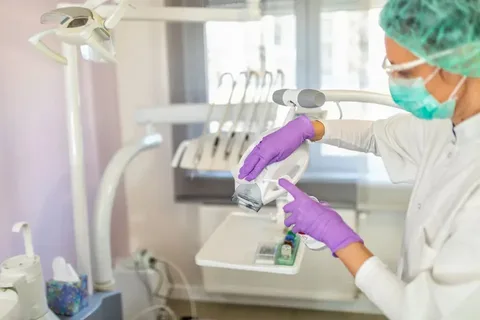
Maintaining a clean and hygienic dental clinic is essential for patient safety, staff well-being, and professional reputation. Dental office cleaning is not just about appearance—it plays a critical role in infection control, regulatory compliance, and patient trust. In this article, we explore why it matters, what it includes, and how it benefits dental practices.
What Is Dental Office Cleaning?
Dental office cleaning refers to the specialized cleaning and sanitization of dental clinics, including treatment rooms, waiting areas, instruments, and high-touch surfaces. Unlike regular commercial cleaning, it requires strict attention to medical-grade hygiene standards to prevent cross-contamination and the spread of infections.
This process often involves disinfecting dental chairs, sterilizing tools, cleaning suction systems, and ensuring all surfaces are free from harmful pathogens.
Why Dental Office Cleaning Is Important
A dental clinic is a high-risk environment for bacteria and viruses due to constant exposure to saliva, blood, and dental materials. Proper cleaning helps reduce infection risks and ensures compliance with health regulations.
Some key benefits include:
- Preventing cross-contamination between patients
- Ensuring compliance with healthcare hygiene standards
- Improving patient confidence and comfort
- Extending the lifespan of dental equipment
Without proper Dental office cleaning, clinics risk both health hazards and reputational damage.
Key Areas Covered in Dental Office Cleaning
A professional cleaning routine covers multiple zones within the clinic:
1. Treatment Rooms
These require the highest level of sanitation. Chairs, trays, lights, and instruments must be disinfected after every patient.
2. Reception and Waiting Areas
Although not clinical spaces, these areas still need regular cleaning to maintain a welcoming and hygienic environment.
3. Sterilization Areas
All tools used in procedures must be properly sterilized to eliminate bacteria and viruses.
4. Restrooms and Staff Areas
Maintaining cleanliness in these spaces is essential for overall hygiene standards.
Consistent Dental office cleaning ensures that all these areas remain safe and compliant.
Best Practices for Effective Cleaning
To maintain a high standard of cleanliness, dental clinics should follow structured protocols:
- Use hospital-grade disinfectants
- Follow strict sterilization procedures for instruments
- Clean high-touch surfaces frequently
- Dispose of medical waste properly
- Schedule regular deep cleaning sessions
Professional cleaning services trained in medical environments are often preferred for consistent results.
Benefits of Professional Dental Office Cleaning Services
Hiring experts for Dental office cleaning provides several advantages over in-house cleaning:
- Expertise in medical hygiene standards
- Use of specialized cleaning equipment
- Reduced risk of infection outbreaks
- Time-saving for dental staff
- Consistent and reliable results
This allows dentists and staff to focus more on patient care rather than sanitation tasks.
Final Thoughts
A clean dental clinic is a reflection of professionalism, safety, and care. Dental office cleaning is a crucial part of maintaining that standard, ensuring both patients and staff are protected from health risks. By implementing proper cleaning routines and professional support, dental practices can create a safe and welcoming environment for everyone.
