


Technology continues to reshape everyday life in remarkable ways, and one of the fastest-growing trends in recent years has been the rise of smart home systems. Across the world, homeowners are investing in innovative solutions designed to improve comfort, security, convenience, and energy efficiency. From intelligent lighting systems to automated climate control and AI-powered appliances, modern homes are becoming more connected than ever before. At the same time, online trends such as slot gacor sore ini show how digital lifestyles are influencing both entertainment habits and consumer technology interests globally.
The concept of a smart home was once viewed as a luxury reserved for high-end properties, but advancements in technology have made these systems increasingly affordable and accessible. Today, even average households can integrate smart devices into their daily routines without requiring expensive infrastructure or technical expertise.
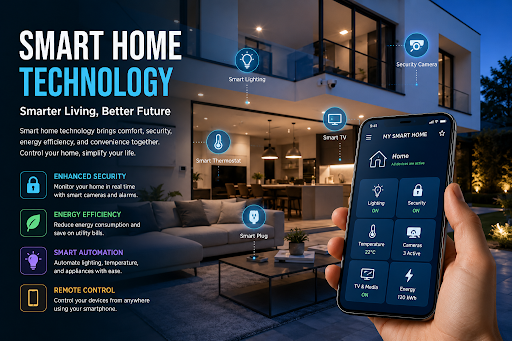
One of the main reasons smart home technology continues growing rapidly is convenience. Homeowners can now control lighting, security cameras, thermostats, speakers, and even kitchen appliances directly from their smartphones. Voice assistants such as Google Assistant and Amazon Alexa have also simplified how users interact with technology, allowing people to manage devices through simple voice commands.
Energy Efficiency Is Driving Demand
Energy efficiency has become a major priority for homeowners and governments worldwide. Rising electricity costs and increasing environmental awareness encourage people to seek solutions that reduce energy consumption while maintaining comfort.
Smart thermostats are among the most popular innovations within the smart home industry. These systems automatically adjust temperature settings based on user behavior, weather conditions, and room occupancy. By optimizing heating and cooling usage, homeowners can significantly reduce monthly energy bills while minimizing environmental impact.
Smart lighting systems also contribute to energy savings. Motion sensors, automated schedules, and remote-control features help prevent unnecessary electricity usage. Many modern LED smart bulbs consume far less energy than traditional lighting systems while offering customizable brightness and color options.
Renewable energy integration is another growing trend. More homeowners are installing solar panels and battery storage systems to create sustainable energy solutions. Smart energy management systems allow households to monitor electricity production and consumption in real time, improving overall efficiency and reducing dependency on traditional power grids.
Home Security Has Reached a New Level
Security remains one of the strongest motivations for adopting smart home technology. Modern smart security systems provide homeowners with greater peace of mind through advanced monitoring capabilities and real-time alerts.
Smart cameras equipped with motion detection and facial recognition can instantly notify users about unusual activity. Video doorbells allow homeowners to communicate with visitors remotely, even when they are away from home. These systems improve both convenience and security while helping prevent unauthorized access.
Smart locks are also becoming increasingly popular. Instead of relying on traditional keys, homeowners can lock or unlock doors using mobile apps, fingerprint recognition, or temporary digital access codes. This technology is particularly useful for families, property rentals, and businesses seeking more flexible access control.
Cloud-based monitoring systems enable users to access security footage from anywhere in the world. As internet speeds continue improving, live streaming quality and response times become faster and more reliable, making remote home monitoring more practical than ever before.
Artificial Intelligence Is Enhancing Everyday Living
Artificial intelligence plays a major role in the evolution of smart homes. AI-powered systems learn user preferences and automate routine tasks to create more personalized living experiences.
For example, smart assistants can analyze daily habits to optimize lighting schedules, recommend energy-saving settings, or automatically adjust entertainment systems based on user activity. AI-driven appliances such as robotic vacuum cleaners and smart refrigerators are also becoming common features in modern households.
Machine learning technology allows devices to improve over time by adapting to user behavior patterns. This creates homes that feel more intuitive and responsive, reducing the need for manual adjustments and improving overall convenience.
Experts predict that future smart homes will become even more interconnected through the Internet of Things (IoT). Devices will communicate seamlessly with each other, creating highly automated environments capable of managing nearly every aspect of household operations.
Smart Entertainment Systems Continue Expanding
Entertainment technology has also evolved significantly within smart homes. Streaming services, immersive audio systems, and AI-powered content recommendations now dominate how people consume media.
Modern smart televisions integrate voice control, personalized recommendations, and cross-device synchronization. Homeowners can stream movies, control lighting, and manage sound systems through centralized smart home platforms.
Gaming technology is another major driver of smart entertainment growth. Cloud gaming services and virtual reality systems are becoming increasingly popular among younger audiences seeking immersive digital experiences. Faster internet infrastructure and improved graphics technology continue pushing the boundaries of interactive entertainment.
Challenges and Future Opportunities
Despite the rapid growth of smart home technology, some challenges remain. Privacy concerns, cybersecurity risks, and compatibility issues between devices continue to be important topics within the industry. Consumers want reassurance that their personal information and connected devices remain secure from cyber threats.
Manufacturers are responding by improving encryption systems, software updates, and user authentication methods. Governments and technology companies are also working toward industry-wide standards to improve device compatibility and security practices.
Looking ahead, the future of smart home technology appears extremely promising. As artificial intelligence, renewable energy systems, and wireless connectivity continue advancing, homes will become even more intelligent and efficient. Smart living is no longer a futuristic concept — it is quickly becoming the standard for modern lifestyles in 2026 and beyond.
