


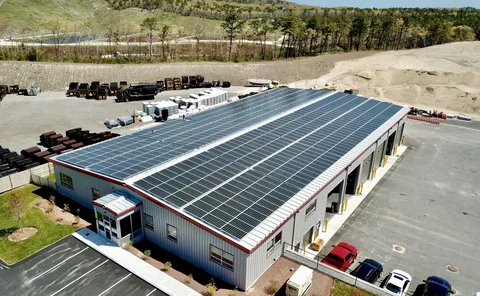
In today’s fast-paced business environment, efficiency and sustainability are no longer optional—they are essential. One of the most effective ways companies are achieving these goals is by adopting solar energy. Maximizing Efficiency: How Commercial Solar Systems Transform Businesses is not just a trend; it’s a strategic investment that impacts both the bottom line and the environment.
The Rise of Commercial Solar Systems
Commercial solar systems have gained popularity as businesses recognize the dual benefits of reducing energy costs and lowering carbon footprints. Unlike residential solar solutions, these systems are designed to handle larger energy demands, making them ideal for offices, warehouses, factories, and retail spaces.
Companies that invest in commercial solar systems often see immediate benefits, including lower electricity bills and protection against rising energy prices. This allows businesses to allocate funds to growth initiatives rather than fluctuating utility costs.
How Commercial Solar Systems Improve Operational Efficiency
Energy Cost Reduction
One of the most tangible benefits of commercial solar systems is the significant reduction in energy expenses. By generating a portion of their electricity on-site, businesses can reduce reliance on the grid, resulting in lower monthly utility bills. Over time, these savings can offset the initial installation costs, providing a strong return on investment.
Sustainability and Brand Reputation
Adopting solar energy also enhances a company’s brand image. Customers and stakeholders increasingly value environmentally responsible businesses. By investing in commercial solar systems, companies demonstrate a commitment to sustainability, which can attract eco-conscious clients and employees.
Increased Energy Reliability
Power outages and grid instability can disrupt operations and lead to financial losses. Commercial solar systems, often paired with battery storage, provide a more reliable energy source. This ensures businesses can maintain operations even during blackouts, further maximizing efficiency in daily operations.
Financial Incentives and Long-Term Benefits
Many governments and local authorities offer incentives such as tax credits, rebates, and grants for businesses investing in solar energy. These incentives reduce upfront costs and accelerate the payback period, making commercial solar systems a financially savvy choice.
In the long term, businesses enjoy predictable energy costs and increased property value. These benefits, combined with operational savings, demonstrate how maximizing efficiency: how commercial solar systems transform businesses extends beyond energy production—it’s a comprehensive approach to smarter business management.
Conclusion
The adoption of commercial solar systems is transforming the way businesses operate. From reducing energy costs and improving reliability to enhancing sustainability and brand image, the benefits are clear. Companies looking to stay competitive and environmentally responsible should consider solar energy as a strategic investment. By focusing on maximizing efficiency: how commercial solar systems transform businesses, organizations can achieve both financial and operational success while contributing to a greener future.
