


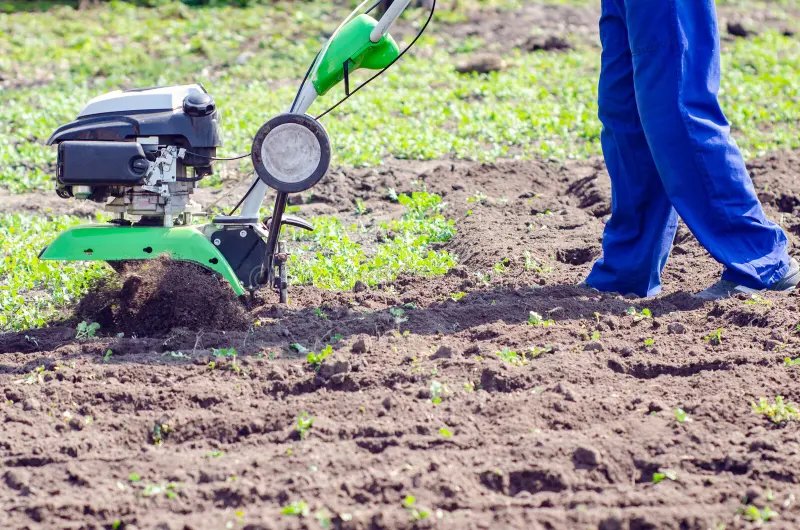
Tilling is a fundamental practice in gardening and agriculture that significantly impacts soil health and plant growth. But what exactly happens beneath the surface when soil is tilled, and why are garden tiller essential tools in this process? Understanding the science behind tilling: why garden tillers matter can help gardeners make informed decisions to promote a thriving garden.
What Is Tilling and Why Is It Important?
Tilling refers to the mechanical agitation of soil, often involving digging, stirring, and overturning the earth. This process prepares the soil for planting by breaking up compacted layers, mixing organic matter, and aerating the ground. The science behind tilling reveals that proper soil preparation is crucial for root development, water retention, and nutrient availability.
Without adequate tilling, soil can become hard and compacted, making it difficult for roots to penetrate and access essential nutrients. Garden tillers provide an efficient way to loosen soil, improving its structure and creating an ideal environment for seeds to germinate and grow.
The Role of Garden Tillers in Soil Health
Garden tillers are specialized tools designed to perform tilling quickly and effectively. They come in various sizes and types, from small electric models suitable for home gardens to heavy-duty gas-powered machines used in larger agricultural settings.
How Garden Tillers Enhance Soil Quality
- Aeration: Tillers break up dense soil, allowing air to circulate. Oxygen is vital for microorganisms and plant roots.
- Nutrient Mixing: By churning organic matter like compost or manure into the soil, tillers distribute nutrients evenly.
- Weed Control: Tilling disrupts weed roots and prevents them from competing with garden plants for resources.
Understanding the science behind tilling: why garden tillers matter helps gardeners appreciate how these tools contribute to a fertile growing environment.
When and How to Use a Garden Tiller
Timing is critical for effective tilling. It is generally best done in the early spring before planting or in the fall after harvesting. Soil should be neither too wet nor too dry to avoid clumping or damage.
Tips for Effective Tilling
- Clear debris and large stones from the area.
- Set the tiller to the appropriate depth depending on your crop needs.
- Move the tiller steadily to avoid uneven soil disturbance.
- Avoid over-tilling, which can disrupt soil structure and harm beneficial organisms.
Conclusion: Why Garden Tillers Are Essential Tools
In summary, the science behind tilling: why garden tillers matter underscores their critical role in gardening success. By improving soil aeration, nutrient distribution, and weed control, garden tillers help create an optimal environment for healthy plant growth. For anyone serious about gardening, investing in a reliable garden tiller is a step toward more productive and sustainable soil management.
