


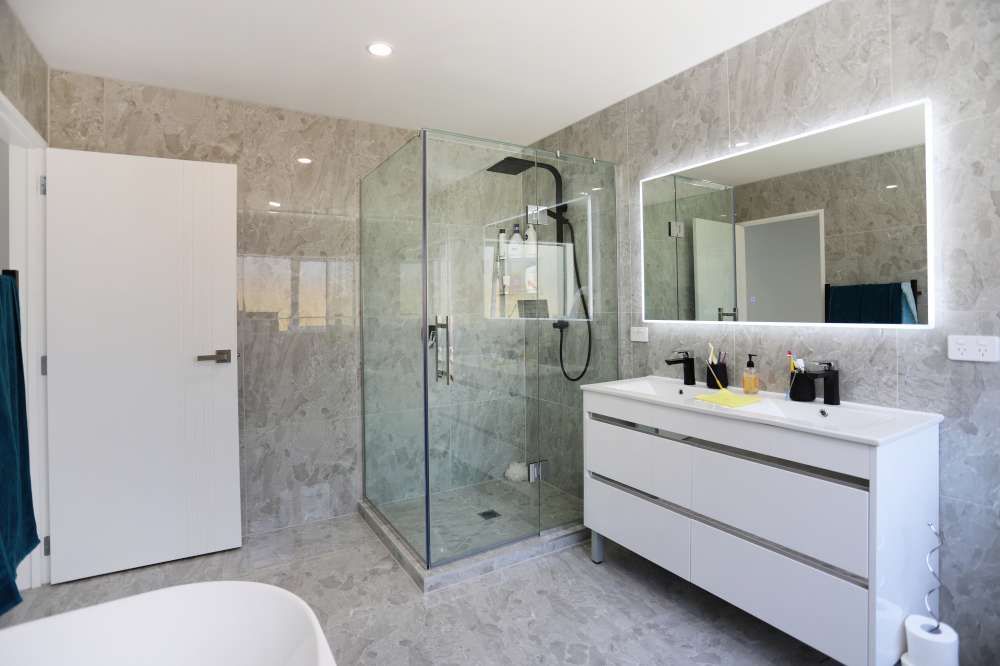
Introduction
Understanding Bathroom Renovation Cost NZ: What Homeowners Should Expect in 2026 is essential for anyone planning a remodel in the coming year. With construction prices, labour rates, and material choices continuing to evolve across New Zealand, homeowners need a clear picture of what influences overall renovation budgets. Whether you’re updating a small ensuite or transforming a full family bathroom, costs can vary widely depending on scope, design choices, and location.
In 2026, bathroom renovations are expected to remain one of the most value-adding home improvements, but careful budgeting will be more important than ever.
Key Factors That Influence Bathroom Renovation Costs in NZ
Before diving into specific price ranges, it’s important to understand what drives costs in a typical renovation project.
1. Size and Layout Changes
A simple cosmetic upgrade will always cost less than a full redesign. If plumbing needs to be moved or walls adjusted, labour and compliance costs increase significantly.
2. Quality of Materials
Tiles, tapware, vanities, and showers come in a wide range of price points. Premium imported finishes can quickly double or triple material costs compared to standard local options.
3. Labour and Trade Availability
In many parts of New Zealand, skilled tradespeople such as plumbers, electricians, and tilers remain in high demand. This can impact both timelines and hourly rates.
4. Consent and Compliance Costs
Depending on the scope, building consent or council inspections may be required, adding both time and administrative expenses.
Typical Bathroom Renovation Cost Ranges in 2026
While every project is unique, most homeowners in New Zealand can expect the following general ranges in 2026:
- Basic cosmetic refresh: NZD $8,000 – $15,000
(Painting, replacing fixtures, minor updates without structural changes) - Mid-range renovation: NZD $15,000 – $35,000
(New tiles, upgraded fittings, improved lighting, partial layout adjustments) - High-end renovation: NZD $35,000 – $70,000+
(Full redesign, luxury materials, custom cabinetry, structural changes)
These estimates reflect current market expectations and may vary depending on region, with Auckland and Wellington often sitting at the higher end of the scale.
Planning Ahead for a Successful Renovation
Careful planning can make a significant difference in both cost control and final results. Homeowners should consider the following steps:
Set a Realistic Budget Early
Include a buffer of at least 10–20% for unexpected costs such as hidden water damage or design changes.
Choose Fixtures Before Construction Starts
Selecting tiles, vanities, and tapware early helps avoid delays and last-minute expensive substitutions.
Get Multiple Quotes
Comparing at least three contractors can provide a clearer understanding of fair market pricing.
Focus on Long-Term Value
Investing in durable, moisture-resistant materials may cost more initially but reduces maintenance costs over time.
Bathroom Renovation Cost NZ: What Homeowners Should Expect in 2026 Trends
When reviewing Bathroom Renovation Cost NZ: What Homeowners Should Expect in 2026 Trends, it’s clear that several shifts are shaping the market. Sustainability is becoming more important, with water-saving fixtures and energy-efficient lighting increasingly common. At the same time, demand for spa-like bathroom designs is pushing more homeowners toward premium finishes and custom features.
Another noticeable trend is the rise of modular and prefabricated bathroom components, which can help reduce labour time and overall project duration.
Common Mistakes to Avoid
Even well-planned renovations can go over budget if homeowners are not careful. Some common pitfalls include:
- Underestimating labour costs
- Changing design decisions mid-project
- Ignoring waterproofing requirements
- Choosing style over functionality
Avoiding these mistakes can help ensure a smoother renovation experience and better cost control.
Conclusion
Ultimately, Bathroom Renovation Cost NZ: What Homeowners Should Expect in 2026 depends on a wide range of factors, from design complexity to material selection and labour availability. While costs are expected to remain steady to slightly increasing in 2026, careful planning and informed decision-making can help homeowners achieve high-quality results without unnecessary overspending.
By understanding the key cost drivers and setting a realistic budget, homeowners can confidently approach their renovation project and create a bathroom that balances style, function, and long-term value.
