


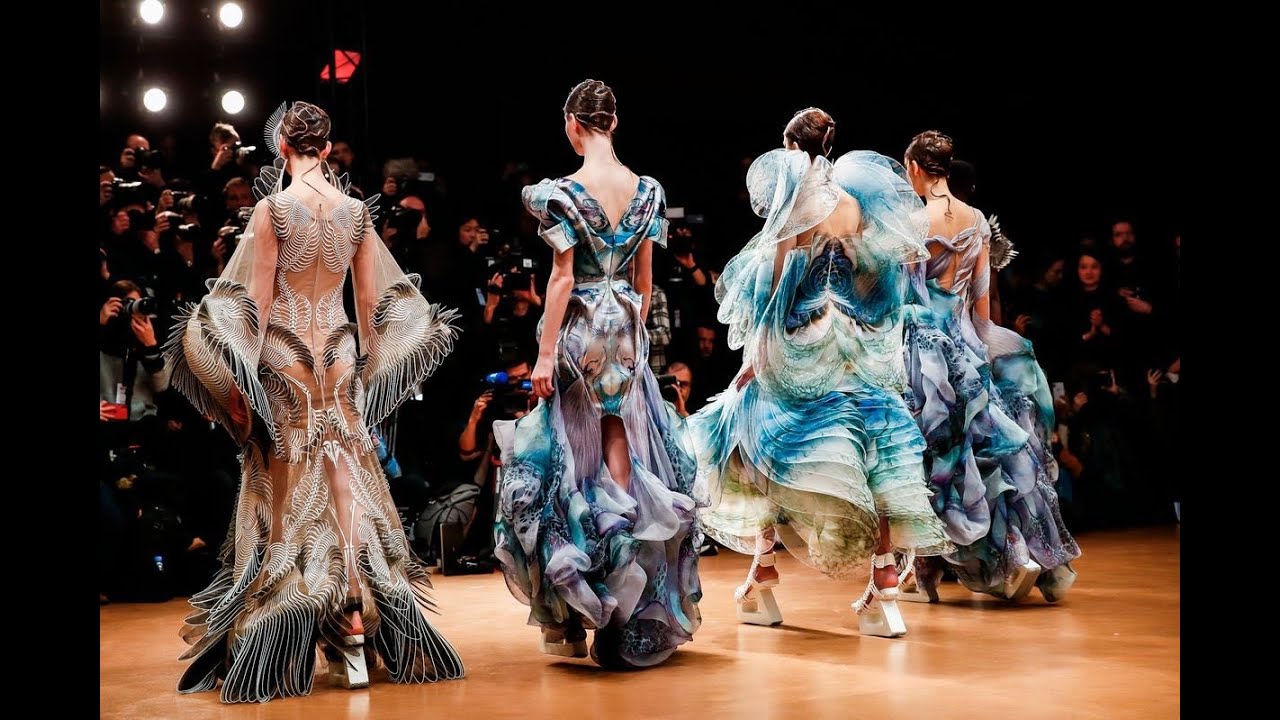
In the fast-moving world of fashion, trends are born and die within weeks. We watch aesthetics rise on social media, flood the high street, and disappear into landfills. But at the highest levels of design—in the quiet, meticulous ateliers of haute couture—fashion is not about fast consumption. It is about wearable storytelling.
True designers do not look at other fashion brands for inspiration. They look outside the industry. They pull textures from ancient history, color palettes from the depths of the earth, and silhouettes from the kinetic energy of forgotten childhoods.
If you want to understand how a masterpiece garment is built from scratch, let’s look at three extraordinary muses that continue to inspire the world’s greatest couturiers.
1. The Geometry of Tradition: Structural Lessons from the Far East
When a designer wants to master the art of draping, volume, and silhouette, they inevitably look toward Asia. Specifically, the traditional doll Japan has crafted for centuries serves as an absolute masterclass in textile architecture.
In Western fashion, clothing is often designed to tightly hug the contours of the human body. Traditional Japanese attire, however, creates its own shape. This philosophy is perfectly preserved in miniature within the world of ningyo (traditional dolls).
The Architecture of the Twelve Layers
Consider the Junitoe—the twelve-layered silk costume worn by imperial court dolls. A master doll-maker doesn’t just throw fabric onto a frame; they must understand the exact weight, stiffness, and drape of hand-woven silk.
- The Silhouette: The layers are stepped back precisely at the sleeves and hemline, creating a stunning, architectural cascade of contrasting colors.
- The Textures: The doll’s clothing features intricate Nishijin brocades and heavy gold threads that catch the light, presenting a rigid yet fluid elegance.
Modern designers regularly translate this into runway fashion. When you see an avant-garde evening gown that features dramatic, structural folds that hold their shape independently of the model’s body, you are seeing the direct genetic lineage of Japanese doll-making. It teaches fashion houses that fabric can be sculpted just like stone or wood.
2. The Color of Ultimate Luxury: Haute Couture and the Pink Diamond
If structural inspiration comes from tradition, the ultimate color palette comes from nature’s most expensive mistake. In the realm of high jewelry and textile dye, nothing dictates the mood of luxury quite like the pink diamond.
For generations, the fashion elite favored black, white, and midnight navy for formal wear—colors that signaled serious, understated wealth. But as fashion embraces a more romantic, expressive era, the soft, burning blush of the pink diamond has become the ultimate hue of exclusivity.
Capturing the Prismatic Fire
Translating a gemstone into a fabric is one of the hardest tasks for a textile chemist. A pink diamond isn’t just a flat pastel pink; it contains a spectrum of undertones, shifting from icy rose to warm raspberry and deep magenta depending on how the light hits its internal crystal lattice.
“To dye a silk velvet or a tulle to match a pink diamond is to capture an anomaly. It requires a fabric that doesn’t just sit there, but actively plays with light, shifting colors with every step the model takes.”
When Valentino, Chanel, or Schiaparelli send a collection down the runway clad in shimmering, crystalline rose tones, they are channeling the rare, high-stakes glamour of this diamond. It is a color that feels vulnerable yet incredibly powerful—the definitive tone of modern luxury.
3. The Kinetic Runway: The Movement of the Vintage Carousel
Fashion is nothing without movement. A dress can look beautiful on a static mannequin, but its true test comes when the model walks. To understand the relationship between fabric, rhythm, and public spectacle, designers often draw inspiration from the vintage carousel.
The historic merry-go-round is essentially the original runway. It is a rotating stage designed to showcase beautiful, hand-carved forms spinning past a captivated audience to the rhythm of mechanical music.
The Carousel Silhouette in Motion
The design language of the fairground is woven deeply into the history of celebratory fashion:
- The Flounce and Swing: The circular motion of the ride inspires the heavy, circular-cut skirts of the 1950s and modern ballgowns. When a model spins at the end of the runway, the fabric flares out in a perfect, geometric wheel—mimicking the canopy of a carousel.
- The “Romance” Embellishments: Just as carousel carvers decorated only the outward-facing side of the horses with real glass jewels, mirrors, and gold leaf, haute couture placing heavy embroidery on the front or trains of gowns creates a striking visual impact as the wearer glides past.
Bringing elements of the carousel onto the runway adds a sense of theatrical joy. It strips away the cold, detached snobbery often associated with high fashion and replaces it with pure, unadulterated showmanship.
The Cohesive Collection: A Blueprint for Style
When these three muses are combined, they create the perfect blueprint for a balanced, unforgettable fashion collection:
The MuseFashion TranslationAesthetic ImpactTraditional Doll JapanHeavy silk structures, precise layering, and geometric silhouettes.Brings cultural depth and avant-garde structure to the collection.Pink DiamondPrismatic rose palettes, metallic threads, and crystal beadwork.Infuses the garments with rare, romantic, and high-end luxury.Vintage CarouselCircular skirts, kinetic fringe, and theatrical gold-leaf detailing.Adds a sense of joyful movement, drama, and public spectacle.Designing Your Personal Sartorial Wonderland
You don’t need access to a Parisian atelier to use these principles in your daily wardrobe. You can elevate your personal style by curating with the same mindset:
- Invest in Silhouette First: Look for coats or jackets that have their own structure and historical weight, inspired by the clean, layered lines of Eastern art.
- Play with Light, Not Just Color: Choose fabrics like silk satin, velvet, or organza in soft blush tones. These materials catch the light differently, giving you that rare, multidimensional gemstone glow.
- Embrace Movement: Don’t wear clothes that constrict you. Choose pleated skirts, long trench coats, or fringed accessories that move rhythmically with your natural stride, creating your own mini-spectacle wherever you walk.
Conclusion
Haute couture reminds us that fashion is an art form meant to elevate our daily reality. It is a shield against the mundane.
By looking closely at the structured heritage of a doll Japan has guarded, the elusive, high-pressure beauty of a pink diamond, and the joyful, spinning theater of a vintage carousel, we see that the most beautiful garments are always woven from threads of history, nature, and imagination. True style isn’t about fitting in with the crowd—it’s about dressing up in your favorite dreams and letting the world watch you spin.
About the Author: Vivienne LeClair is a fashion historian, textile archivist, and trend consultant based out of Paris and Milan. She specializes in the intersection of antique art forms and modern runway design.
