


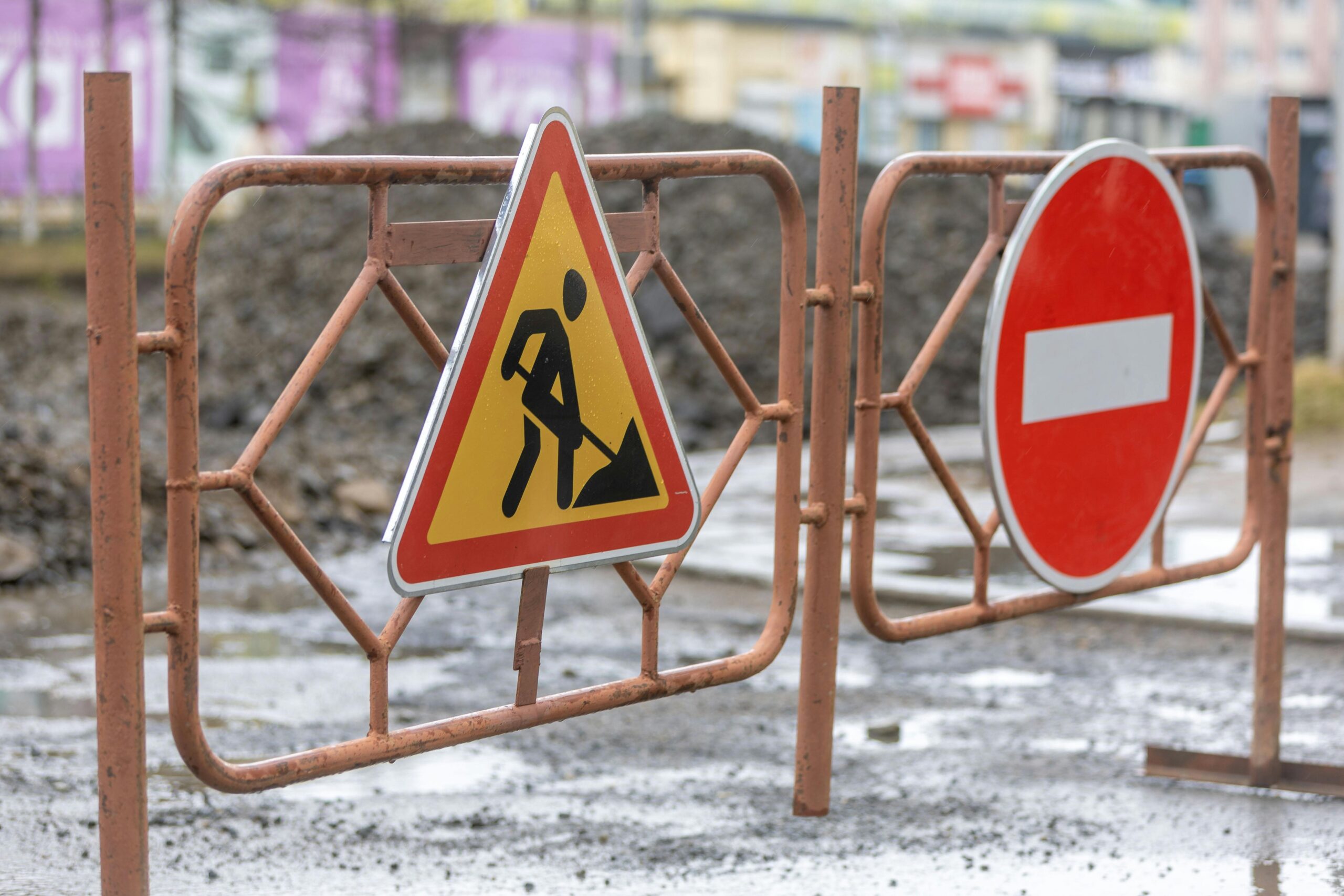
Inside the busy heart of an American distribution center, the environment is a constant dance of machinery and movement. While managers often obsess over machine uptime, they frequently overlook the silent signs hanging from the rafters. We tend to treat these markers as background noise until something goes wrong, yet their role in a facility’s health is foundational.
When signage is neglected or faded, a facility begins to accumulate hidden costs that rarely show up on a ledger. These issues start as small delays but can quickly escalate into significant legal liabilities. Recognizing that signage is a dynamic safety tool, rather than a one-time requirement, is the first step toward a truly efficient workspace.
Calculating the Price of Operational Confusion
Warehouse efficiency depends entirely on the flow of visual information and clear communication. If a forklift operator hesitates at every intersection because of unclear cues, those seconds eventually turn into hours of lost productivity. This friction creates a ripple effect that slows the entire supply chain and impacts the company’s bottom line.
Beyond speed, poor signage leads to expensive physical errors and dangerous mishaps. A driver might accidentally enter a restricted zone because a warning was obscured by a stack of pallets. These near-misses signal an impending financial drain, as every minor collision requires incident reports and temporary work stoppages.
Understanding the Burden of Legal Liability
From a legal perspective, the absence of clear warnings is often viewed as a form of institutional negligence. If an injury occurs on-site, inspectors immediately check the visibility and condition of all safety alerts. Faded colors or outdated symbols can lead to massive fines from agencies that expect your facility to meet modern communication standards.
The cost of a single lawsuit often dwarfs the expense of a complete facility overhaul. For example, many industrial sites rely on high-grade materials from providers like Signs & Safety Devices to clearly define machinery paths and pedestrian crossings. When these visual barriers are missing, a company loses its primary defense against liability claims and struggles to prove they provided a safe environment.
Evaluating the Impact on Employee Morale
Safety culture is about more than just rules; it is about how employees feel when they arrive at work each morning. If a facility is filled with peeling or non-existent signage, it sends a subconscious message that management does not prioritize staff well-being. This perceived lack of investment can lead to lower engagement and higher turnover rates, which are incredibly costly for any business.
When workers feel their environment is hazardous, they often experience “caution fatigue” and stop paying attention to safety protocols altogether. High-quality signage acts as a constant reassurance that there is a professional plan in place for everyone’s protection. A well-marked facility builds a sense of order and pride, naturally leading to higher retention and a more focused workforce.
Maintaining Equipment and Infrastructure Integrity
Signage plays a critical role in the physical upkeep of your building and the expensive machinery inside it. Clearance height signs and weight limit warnings help prevent structural damage before it actually happens. Without these constant reminders, even experienced employees can have a momentary lapse in judgment that results in a damaged overhead door.
Repairing a specialized forklift or a structural support beam is an unplanned expense that can ruin a maintenance budget. By investing in durable markers that withstand dust and vibrations, you are essentially buying an insurance policy for your physical assets. These signs serve as operational guardrails, ensuring that equipment stays in service longer by staying within its intended limits.
Developing a Strategy for Visual Management
A truly safe facility doesn’t just throw up a few stickers; it utilizes a comprehensive strategy called visual management. This involves auditing the site from a newcomer’s perspective to ensure paths are intuitive and hazards are impossible to miss. Good design uses color-coding and standardized shapes to convey messages instantly across a noisy or crowded floor.
This proactive approach requires regular check-ups to ensure signs aren’t blocked by new inventory or damaged by equipment. As a plant’s layout changes to accommodate new products, the signage must evolve alongside those shifts. By treating visual safety as a living part of the infrastructure, a company can avoid the costs of confusion and build a more resilient operation.
Investing in Long-Term Facility Success
The true cost of poor signage isn’t just the price of metal or plastic; it is the cumulative weight of accidents and lost time. While it seems like a minor detail, clear communication is the glue that holds a safe work environment together. When you walk through your facility, look at the walls as a strategic map for your company’s long-term success.
Ultimately, the goal is to create an environment where the right choice is always the easiest one to make. High-quality signage removes guesswork from the workday and allows your team to focus on their primary tasks. By eliminating the hidden costs of confusion, you aren’t just following a regulation—you are building a better way to do business.
